

The Thrill of Uncertainty
The allure of casinos lies largely in the thrill of uncertainty. Many people are drawn to the excitement of not knowing what will happen next. This unpredictability taps into a basic human instinct for risk-taking. The heart-pounding moments before a die is rolled or a card is flipped create an adrenaline rush, making the experience electrifying. Players enjoying the atmosphere at Dracula Casino United Kingdom often find that this feeling of anticipation can be more potent than the actual outcome of the game itself, driving individuals to take risks even when they know the odds are not in their favor.
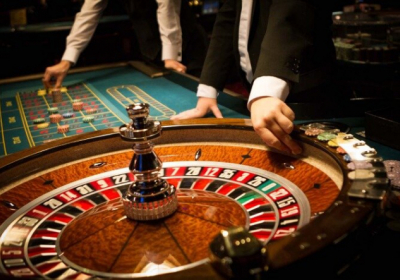
Moreover, participating in gambling allows players to escape their daily lives. People often seek out these environments as a source of entertainment or a brief escape from reality. Within the casino walls, they can immerse themselves in a world that operates under different rules, where fortune seems tantalizingly close. This mental shift can be incredibly liberating, providing a temporary escape from the pressures and routines of everyday life. For many, the casino represents an opportunity to leave their worries at the door and enter a realm where fortunes can change in an instant.
Furthermore, the social environment of casinos adds another layer to the thrill of risk-taking. Many players enjoy the camaraderie that forms among gamblers, whether they are celebrating a big win or commiserating over a loss. This sense of belonging and shared experience encourages individuals to take risks together, reinforcing social bonds. Consequently, the thrill of uncertainty is often amplified by the shared excitement of others around them, making it even more enticing to gamble despite understanding the inherent risks. In this communal atmosphere, players feel emboldened to push their limits and embrace the unpredictability of the games they play.
The Psychology of Gambling
Understanding the psychology behind gambling reveals why so many individuals are willing to take substantial risks. One significant factor is the phenomenon known as the “near-miss effect.” Gamblers often feel they were close to winning, which can lead them to believe that a win is just around the corner. This illusion of control persuades players that they have a better chance than the statistics suggest, leading them to take further risks in hopes of achieving that elusive win. The brain’s response to these near-misses can create a false sense of optimism that fuels continued gambling.
Another psychological aspect is the concept of loss aversion. Research shows that people tend to prefer avoiding losses over acquiring gains. In a casino context, this means that the pain of losing money often prompts players to continue gambling to recoup their losses. This cycle can lead to an irrational escalation of risk-taking behavior, where individuals chase after their losses, convincing themselves that they are just one more bet away from turning things around. This mindset can trap players in a vicious cycle, making it hard for them to recognize when to stop.
Finally, the concept of reward-seeking behavior plays a crucial role in why individuals gamble despite unfavorable odds. The action of gambling stimulates the brain’s reward centers, releasing dopamine and creating feelings of pleasure and excitement. This chemical reaction can lead to a cycle of addiction, where the desire to chase that high can overshadow rational decision-making. The combination of these psychological factors illustrates why many individuals find it difficult to resist the urge to gamble, even when they are aware of the slim chances of winning. This intricate interplay between psychology and behavior can explain why casinos remain popular destinations for thrill-seekers.
The Social and Cultural Influences
Social and cultural contexts also play a significant role in shaping attitudes toward gambling. In many societies, gambling is viewed as a form of entertainment and a valid way to unwind. This normalization of gambling can encourage individuals to partake in activities within casinos, often without fully considering the risks involved. The prevalence of gambling in movies, television, and even sports events glamorizes these activities and can influence perceptions, making them seem less risky and more acceptable. Over time, these portrayals can create a cultural acceptance of gambling as a mainstream leisure activity.
Additionally, peer pressure can be a powerful motivator. Friends and family may encourage gambling as a group activity, creating a social environment where taking risks feels more acceptable. When surrounded by others who are enjoying the thrill of the game, individuals may be less likely to resist the temptation to gamble, as they want to share in the joys and camaraderie of the experience. This social influence can lead to a higher tolerance for risk-taking, even when individuals are aware of the potential downsides. The desire to fit in or to be part of a collective experience can often outweigh personal reservations.
Moreover, some cultures incorporate gambling into their traditions and celebrations. Events such as weddings or festivals might feature games of chance as a form of celebration. These cultural practices can reinforce positive associations with gambling, embedding it in people’s lives and making them more inclined to take risks at casinos. When gambling is woven into the fabric of social practices, it becomes a more accepted and even expected activity, further driving individuals to engage in risky behavior. This cultural endorsement normalizes gambling, making it a part of everyday life for many.
The Role of Marketing and Promotions
Marketing strategies employed by casinos also contribute significantly to risk-taking behavior. The use of enticing promotions, loyalty programs, and bonuses are designed to attract players and encourage them to take greater risks. These incentives often mask the reality of the odds, luring in potential gamblers with the promise of substantial rewards. By focusing on potential wins rather than the statistical realities, casinos can foster an environment conducive to risk-taking. The allure of these promotions can create an illusion of increased chances of winning, drawing in players who might otherwise be hesitant.
Furthermore, the bright lights, sounds, and overall ambiance of a casino are meticulously crafted to stimulate excitement and engagement. This sensory stimulation can heighten the thrill of the moment, leading players to make impulsive decisions. The combination of alluring visuals and the chance to win big can cloud rational judgment, encouraging individuals to gamble more than they initially planned. This environment capitalizes on human emotions, pushing players to embrace the riskier side of gambling. The overall atmosphere is designed to create a sense of urgency and euphoria that can be hard to resist.
Additionally, casinos often feature high-stakes games, which attract a specific demographic eager to take larger risks for the chance of higher rewards. This exclusivity can create a perception that only a certain type of person can succeed in such games, enticing more individuals to participate in order to prove themselves. Such marketing tactics not only promote the thrill of gambling but also foster a competitive spirit among players, motivating them to take risks despite the odds stacked against them. This competition can further enhance the excitement of the gambling experience, encouraging more reckless behavior.
Conclusion
Understanding why people take risks in casinos despite the odds reveals the complex interplay of psychological, social, and environmental factors. The thrill of uncertainty, psychological phenomena, and cultural influences all contribute to a mindset that encourages individuals to engage in gambling behavior. Even when aware of the statistical likelihood of losing, the excitement and potential rewards can overshadow rational thought. This intricate mix of factors creates a compelling narrative that draws individuals back to the tables time and again.
The marketing strategies employed by casinos further amplify these tendencies, drawing people into a world that makes risk-taking seem both thrilling and socially acceptable. For many, gambling becomes more than just a game; it evolves into an experience filled with emotion, camaraderie, and the hope of winning big, keeping people coming back to the tables despite the risks. This ongoing cycle of attraction and risk ultimately shapes the gambling landscape.
For those interested in exploring the dynamics of gambling further, various resources and communities exist online. Engaging with informative platforms can provide insights into responsible gambling practices and the psychological aspects of risk-taking behavior. Understanding these elements can empower individuals to approach the world of casinos with a healthier mindset, balancing the thrill of the game with an awareness of the risks involved. By fostering a well-informed perspective, individuals can enjoy the excitement of casinos while minimizing potential negative consequences.
